
Modern Data Catalog
Modern Data Catalog - Use data catalog tools to increase visibility into what data exists. Data cataloging is creating and maintaining a centralized inventory of an organization’s data assets. Data catalogs enable the organization of ownership, definitions, and relationships for the right data. 2 million+ user reviewstrusted by millions1,000+ categorieslatest industry research Here’s our take on the five critical capabilities that make a data catalog the best solution to align. Exploring the role of data catalogs and semantic layers is essential for effective data governance, accessibility, and integration. Here we describe the key tenets of a modern data catalog and the enhanced outcomes from implementation of modern data catalogs. Data cataloging is the process of creating and maintaining a centralized and organized repository of metadata and information about the data assets within an organization. Build a better businessvm deployment in seconds90+ compliance offerings The purpose of a data catalog is to provide a comprehensive. It’s a central repository that stores. Use data catalog tools to increase visibility into what data exists. Explore how data catalogs streamline data governance, improve data. What is a data catalog? They act as a centralized inventory of all available data, along. The purpose of a data catalog is to provide a comprehensive. Modern data stacks might integrate “privacy vaults” or similar. Don’t forget unstructured data (text,. Exploring the role of data catalogs and semantic layers is essential for effective data governance, accessibility, and integration. Here we describe the key tenets of a modern data catalog and the enhanced outcomes from implementation of modern data catalogs. Use data catalog tools to increase visibility into what data exists. Modern data governance refers to a framework of policies, processes, tools, and roles that ensure data is accessible, trustworthy, secure,. Exploring the role of data catalogs and semantic layers is essential for effective data governance, accessibility, and integration. Conceptually, data catalogs are simple: Data catalog tools are data platforms. A data catalog helps organizations organize, discover, and manage their data assets effectively. But the modern data catalog can — and should — do so much more. By providing a centralized repository of metadata, a data catalog enables organizations to quickly and effectively manage, search, and understand their data products. The purpose of a data catalog is to provide a. Data cataloging is creating and maintaining a centralized inventory of an organization’s data assets. What is a data catalog? It’s a central repository that stores. Data catalog tools are data platforms that help organizations manage and understand their data assets. Modern data governance refers to a framework of policies, processes, tools, and roles that ensure data is accessible, trustworthy, secure,. Exploring the role of data catalogs and semantic layers is essential for effective data governance, accessibility, and integration. They provide a comprehensive inventory of data and metadata, increasing data consumers’ ability to search and discover. Data catalog tools are data platforms that help organizations manage and understand their data assets. We’ll outline best practices and keys to success in. Modern. Data catalogs leverage metadata to allow data consumers to quickly search an organization’s entire data landscape, understand the data available to them and operationalize. Here’s our take on the five critical capabilities that make a data catalog the best solution to align. Data catalogs enable the organization of ownership, definitions, and relationships for the right data. 2 million+ user reviewstrusted. Data cataloging is the process of creating and maintaining a centralized and organized repository of metadata and information about the data assets within an organization. Exploring the role of data catalogs and semantic layers is essential for effective data governance, accessibility, and integration. Data catalogs maintain the inventory of all data assets within an enterprise. Data catalogs enable the organization. This article examines different types of. Data catalogs enable the organization of ownership, definitions, and relationships for the right data. Data catalogs leverage metadata to allow data consumers to quickly search an organization’s entire data landscape, understand the data available to them and operationalize. The purpose of a data catalog is to provide a comprehensive. They act as a centralized. Data catalogs are becoming a core component of modern data management, allowing all business users to easily find and access data to accelerate time to insights. Data cataloging is the process of creating and maintaining a centralized and organized repository of metadata and information about the data assets within an organization. Explore how data catalogs streamline data governance, improve data.. Modern data stacks might integrate “privacy vaults” or similar. A data catalog helps organizations organize, discover, and manage their data assets effectively. Here’s our take on the five critical capabilities that make a data catalog the best solution to align. Data cataloging is the process of creating and maintaining a centralized and organized repository of metadata and information about the. Data cataloging is creating and maintaining a centralized inventory of an organization’s data assets. Don’t forget unstructured data (text,. But the modern data catalog can — and should — do so much more. Data catalogs enable the organization of ownership, definitions, and relationships for the right data. Modern data governance refers to a framework of policies, processes, tools, and roles. They act as a centralized inventory of all available data, along. By providing a centralized repository of metadata, a data catalog enables organizations to quickly and effectively manage, search, and understand their data products. Modern data governance refers to a framework of policies, processes, tools, and roles that ensure data is accessible, trustworthy, secure,. Here’s our take on the five critical capabilities that make a data catalog the best solution to align. Don’t forget unstructured data (text,. Conceptually, data catalogs are simple: Data catalogs maintain the inventory of all data assets within an enterprise. A modern data catalog is a tool used to organize, manage, and discover data assets within an organization. But the modern data catalog can — and should — do so much more. Modern data stacks might integrate “privacy vaults” or similar. They provide a comprehensive inventory of data and metadata, increasing data consumers’ ability to search and discover. Build a better businessvm deployment in seconds90+ compliance offerings It’s a central repository that stores. This article examines different types of. A data catalog helps organizations organize, discover, and manage their data assets effectively. Data catalogs are becoming a core component of modern data management, allowing all business users to easily find and access data to accelerate time to insights.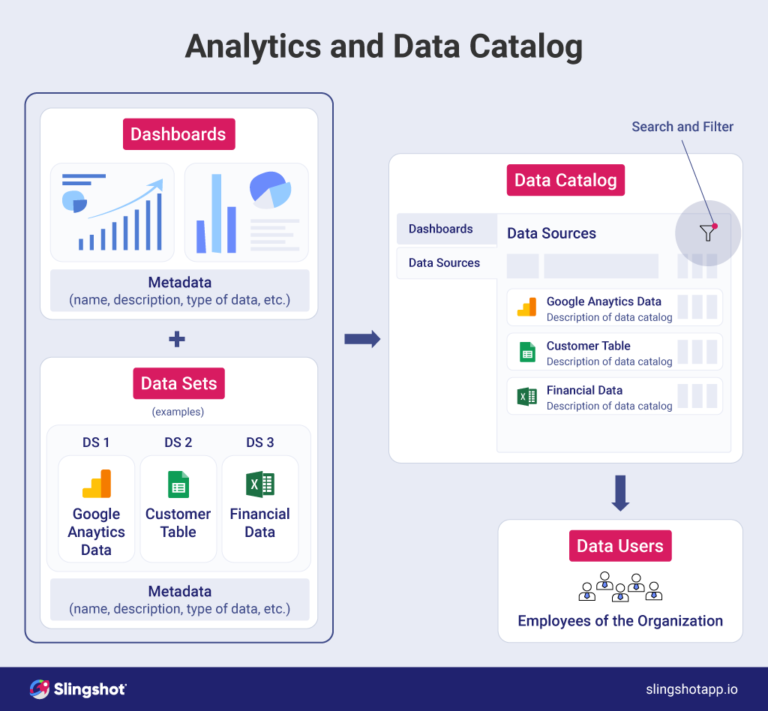
What Is A Data Catalog & Why Do You Need One?
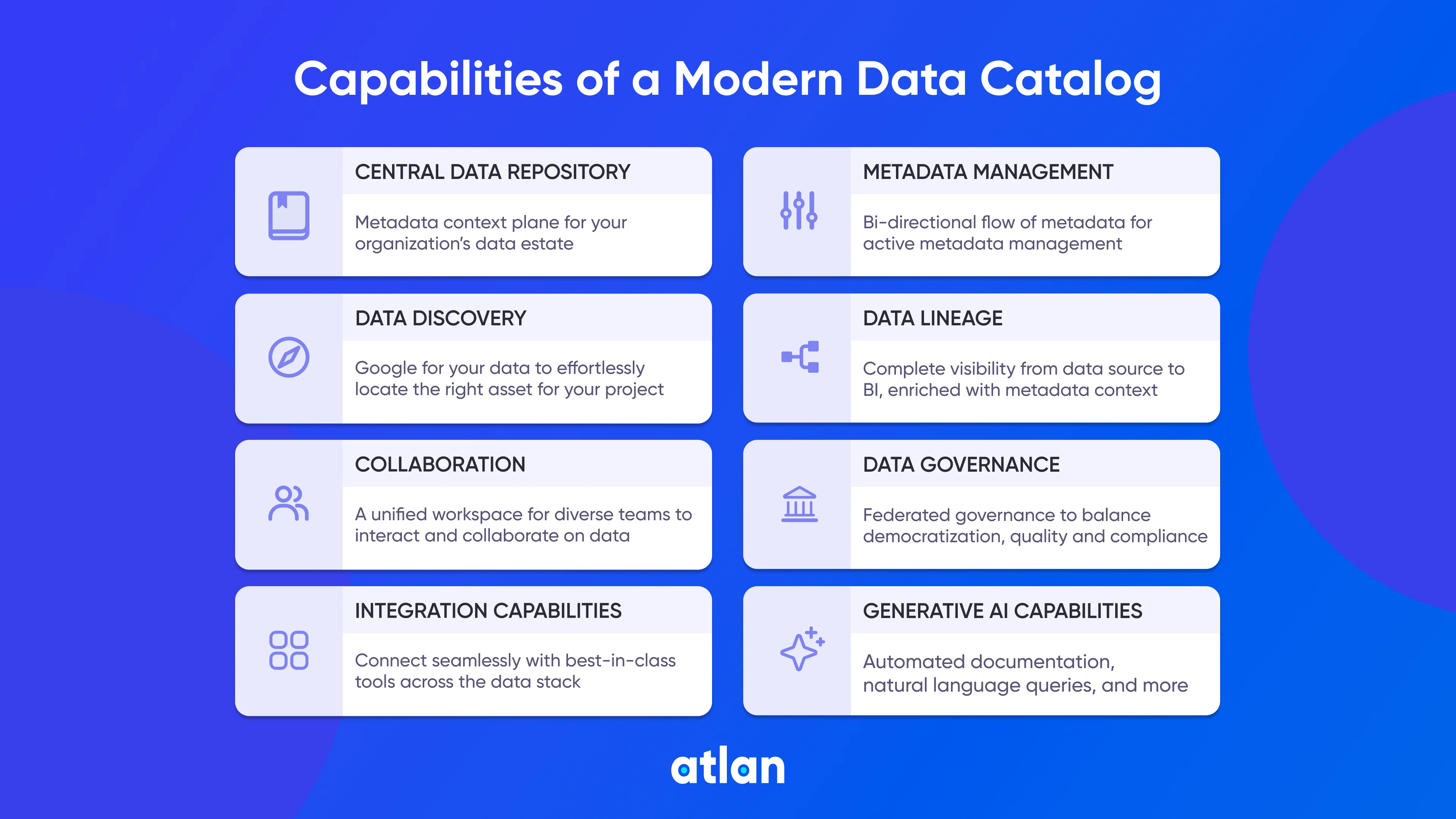
Data Catalog Components, Criteria, & Future as Data Copilots
Alation on LinkedIn Implementing a Modern Data Catalog Alation
How To Plan and Launch Your Modern Data Catalog Datadotworld PDF

Top 3 Must Haves for Data Catalogs DvSum
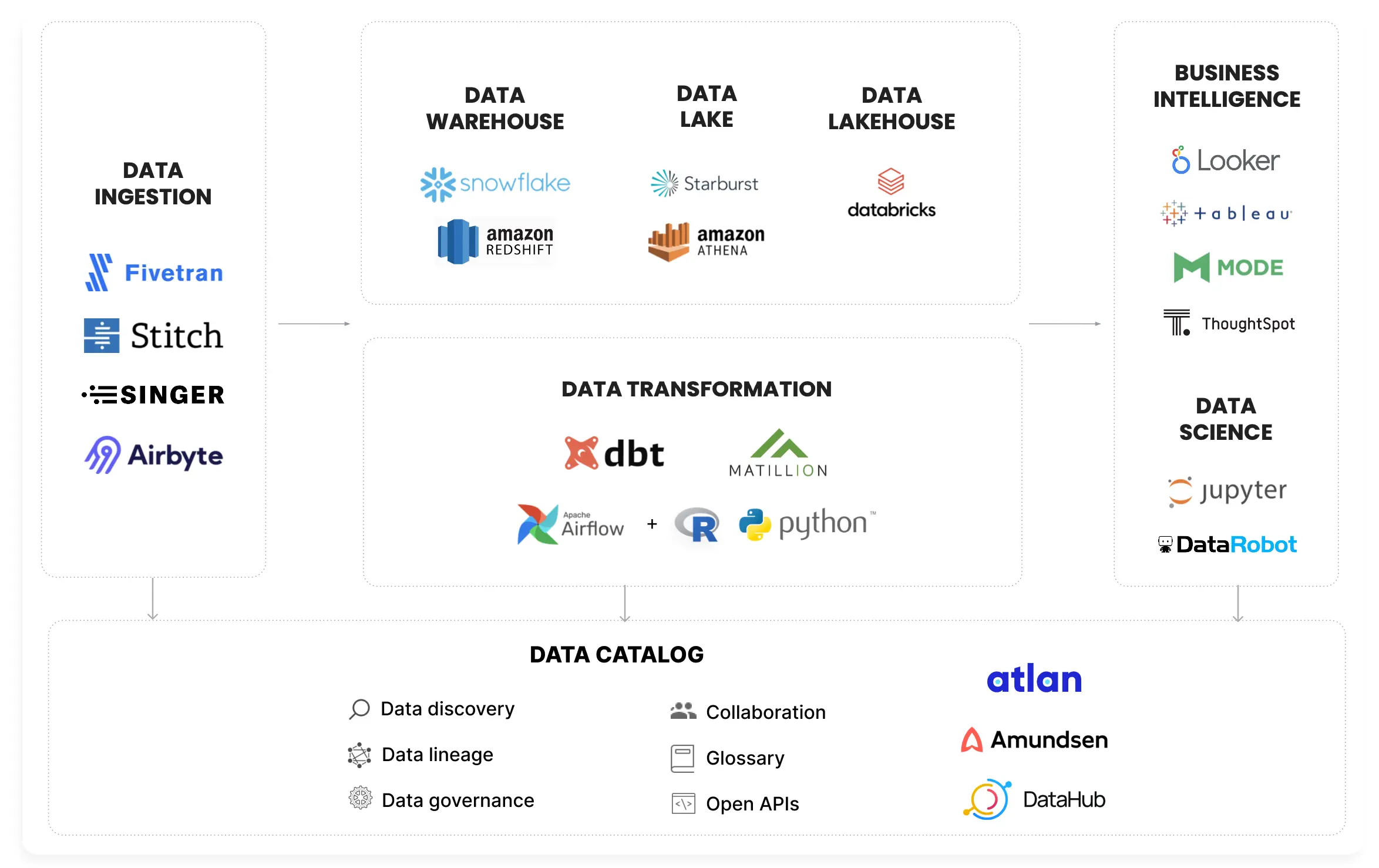
Data Catalog vs. Data Lineage Differences, Use Cases and More
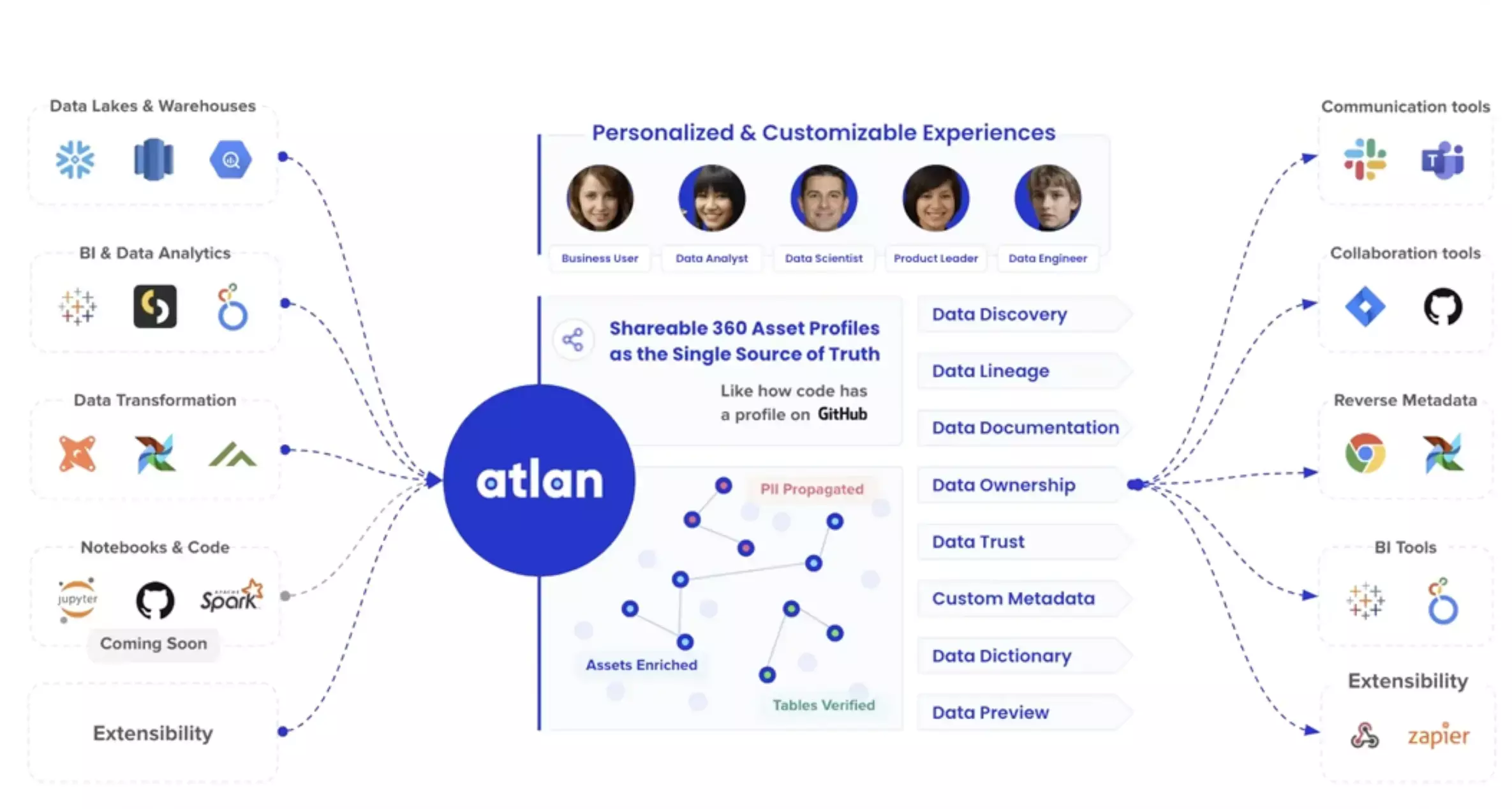
Modern Data Catalog Catalog Library
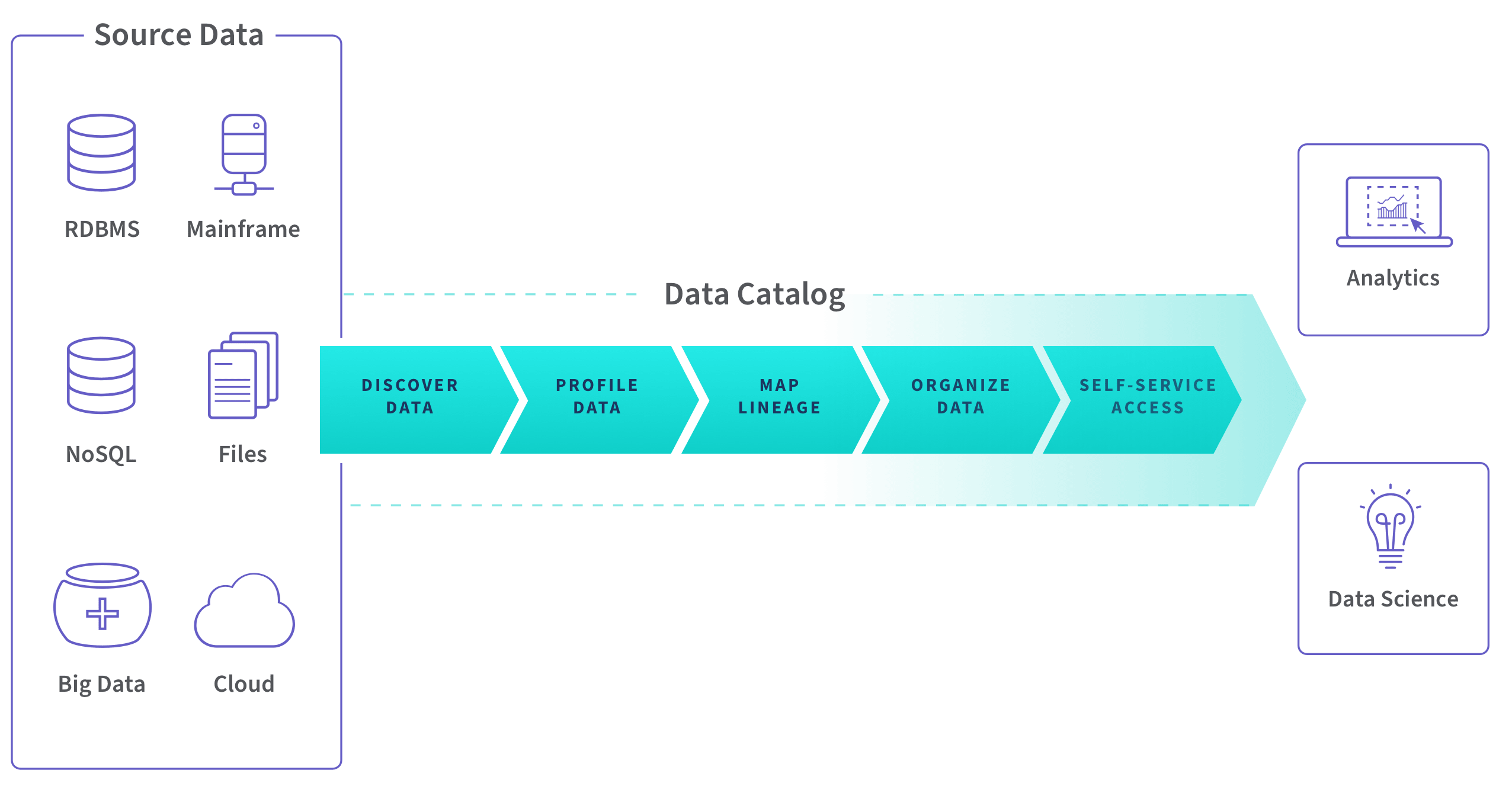
What is a Data Catalog? (And Why You Need One)
Data Catalog Vs. Metadata Management Differences, and How They Work
-p-2000.png)
Modern Data Catalog Tool for Data Discovery Secoda
Data Catalogs Leverage Metadata To Allow Data Consumers To Quickly Search An Organization’s Entire Data Landscape, Understand The Data Available To Them And Operationalize.
Data Cataloging Is Creating And Maintaining A Centralized Inventory Of An Organization’s Data Assets.
Data Cataloging Is The Process Of Creating And Maintaining A Centralized And Organized Repository Of Metadata And Information About The Data Assets Within An Organization.
The Purpose Of A Data Catalog Is To Provide A Comprehensive.
Related Post:

